
Professional digital foundations for your business.
Explore our services, tools and connected brands.
Community Church

Walking with God
A Bible Study series exploring the lives of men and women who walked closely with the Lord.
Click any study below to read the full lesson.

David – A Heart After God’s Own Heart
“The Lord does not look at the things people look at. People look at the outward appearance, but the Lord looks at the heart.” — 1 Samuel 16:7
Read Study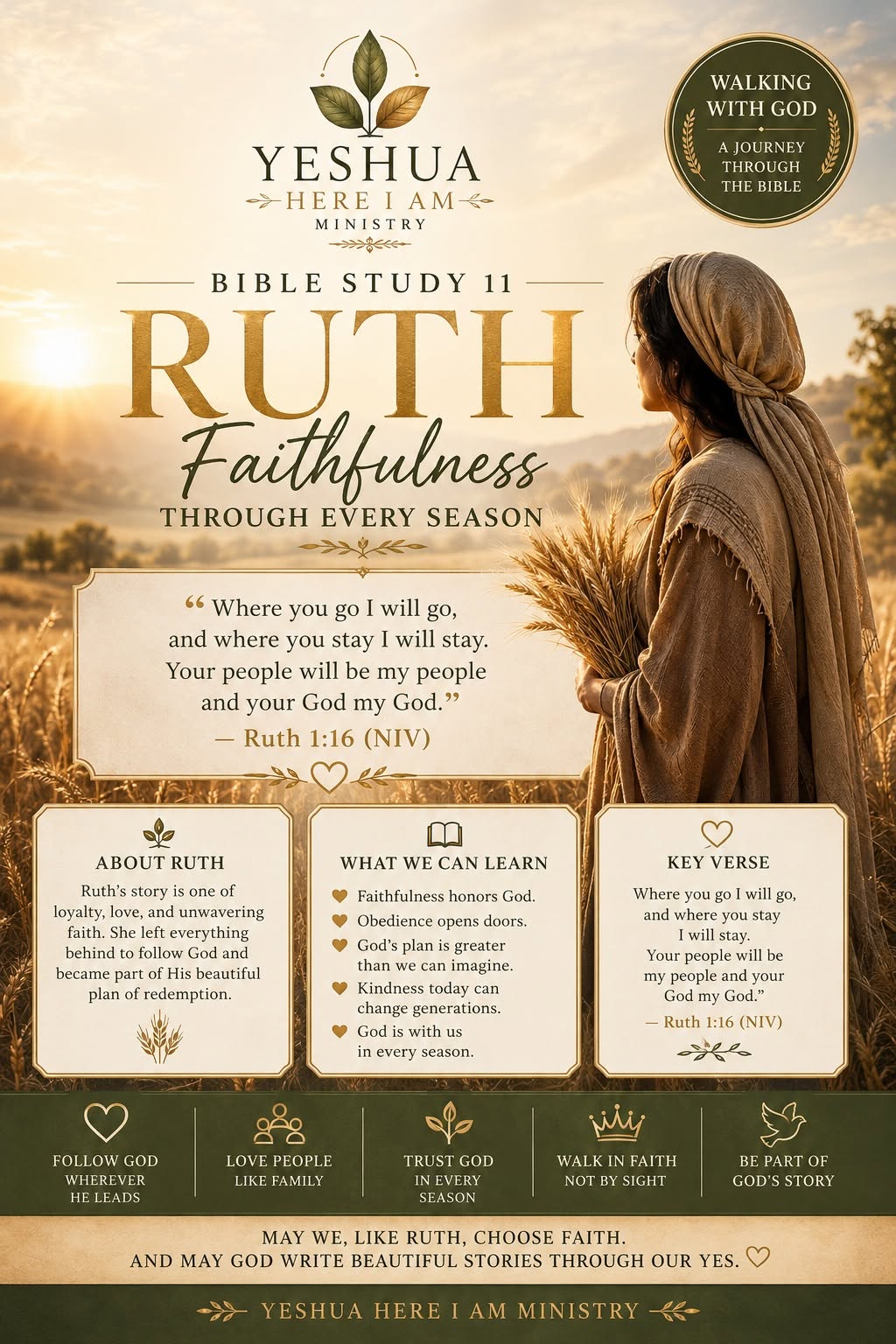
Ruth – Faithfulness Through Every Season
“Where you go I will go, and where you stay I will stay. Your people will be my people and your God my God.” — Ruth 1:16
Read Study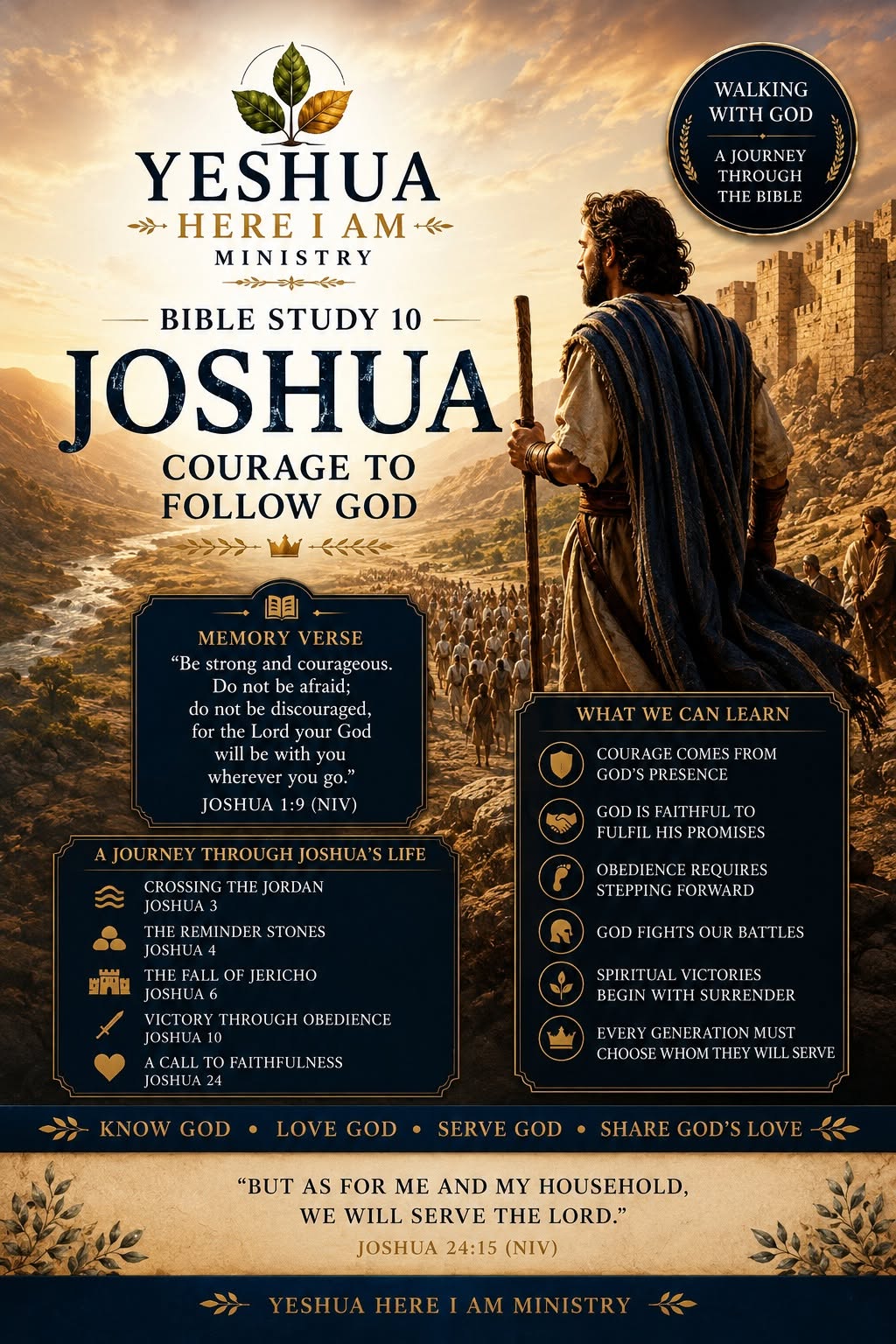
Joshua – Courage to Follow God
“Be strong and courageous. Do not be afraid; do not be discouraged, for the Lord your God will be with you wherever you go.” — Joshua 1:9
Read Study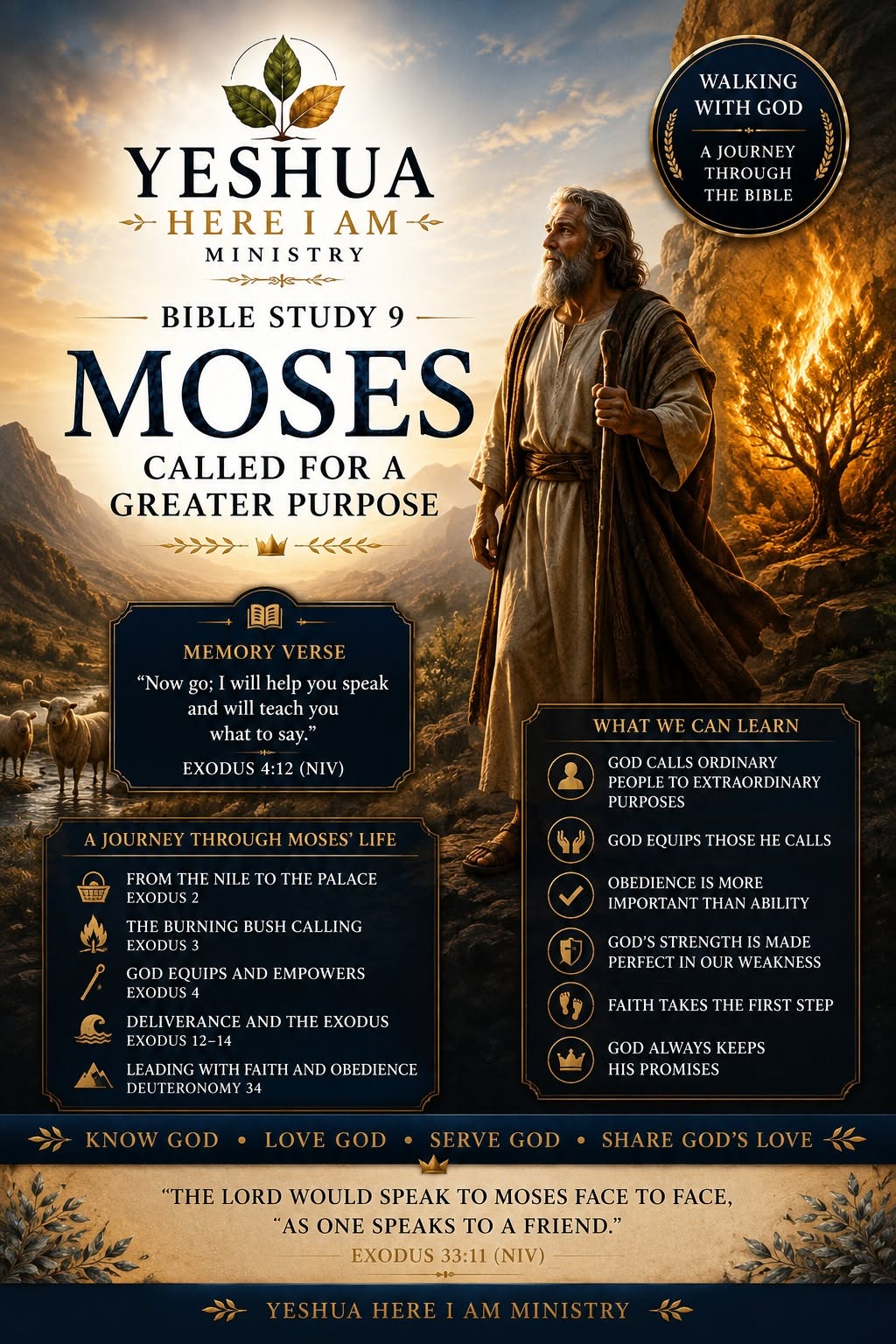
Moses – Called for a Greater Purpose
“Now go; I will help you speak and will teach you what to say.” — Exodus 4:12
Read Study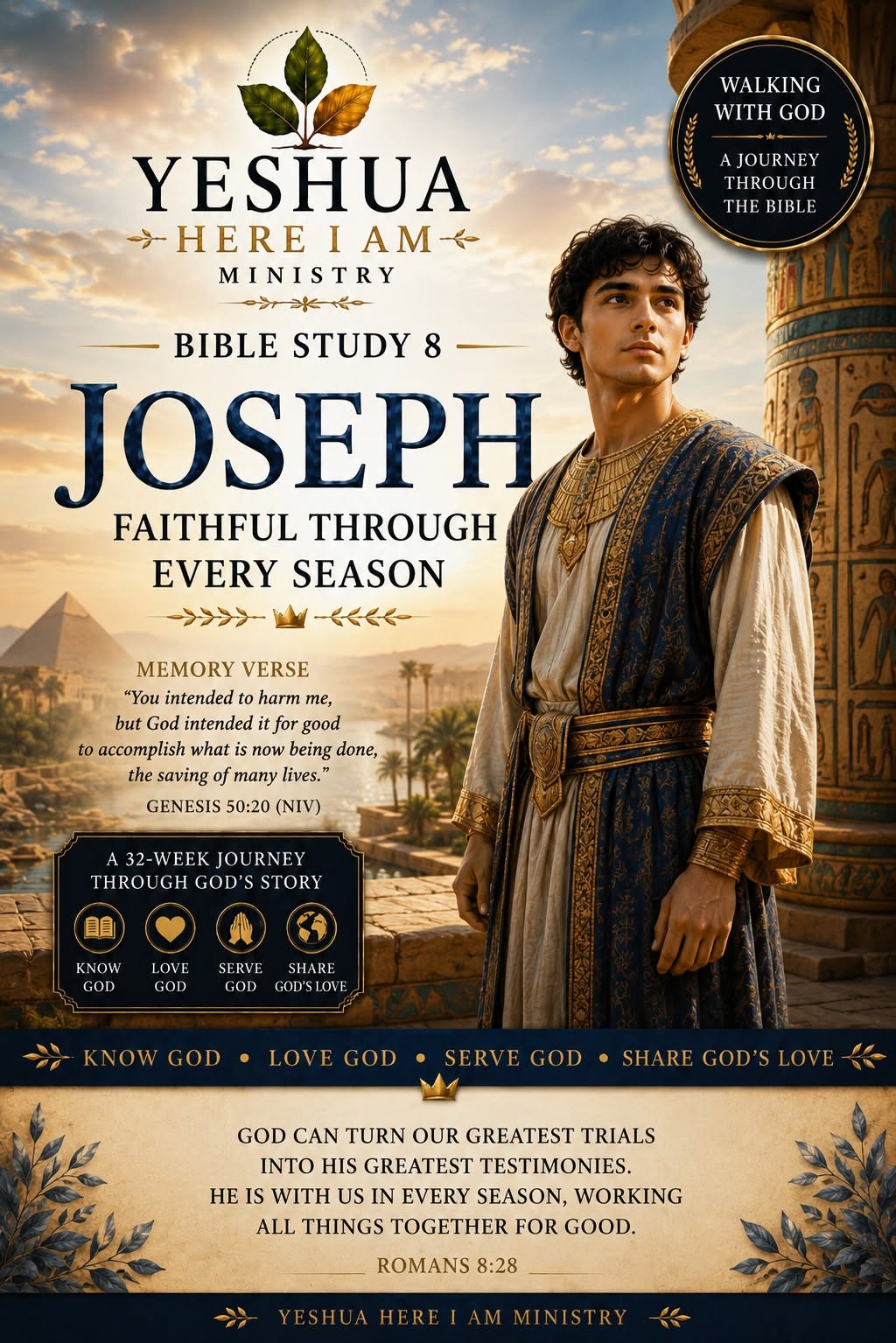
Joseph – Faithful Through Every Season
“You intended to harm me, but God intended it for good…” — Genesis 50:20
Read Study
Rachel – Love, Patience & God’s Perfect Plan
“Then God remembered Rachel; He listened to her…” — Genesis 30:22
Read Study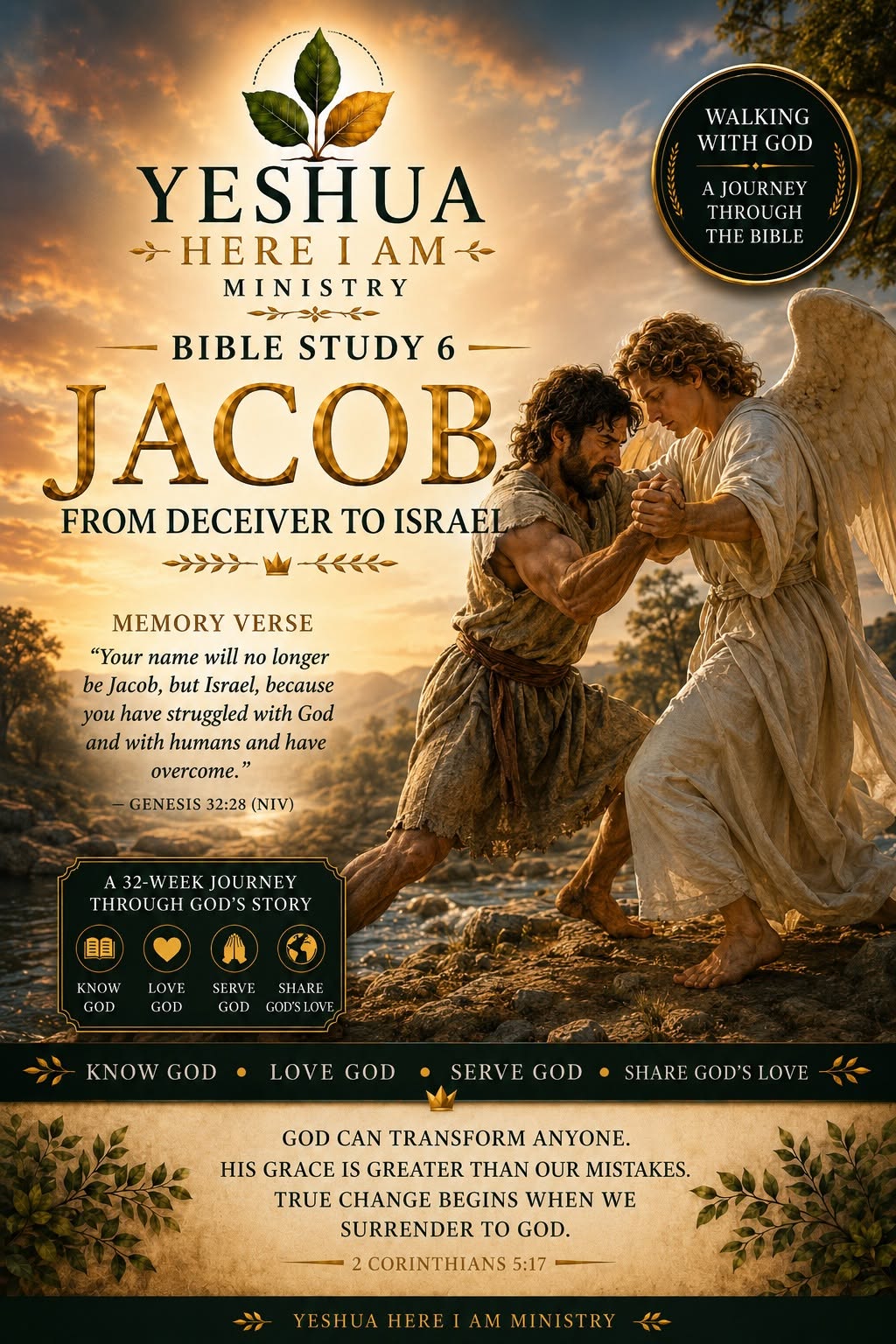
Jacob – From Deceiver to Israel
“Your name will no longer be Jacob, but Israel…” — Genesis 32:28
Read Study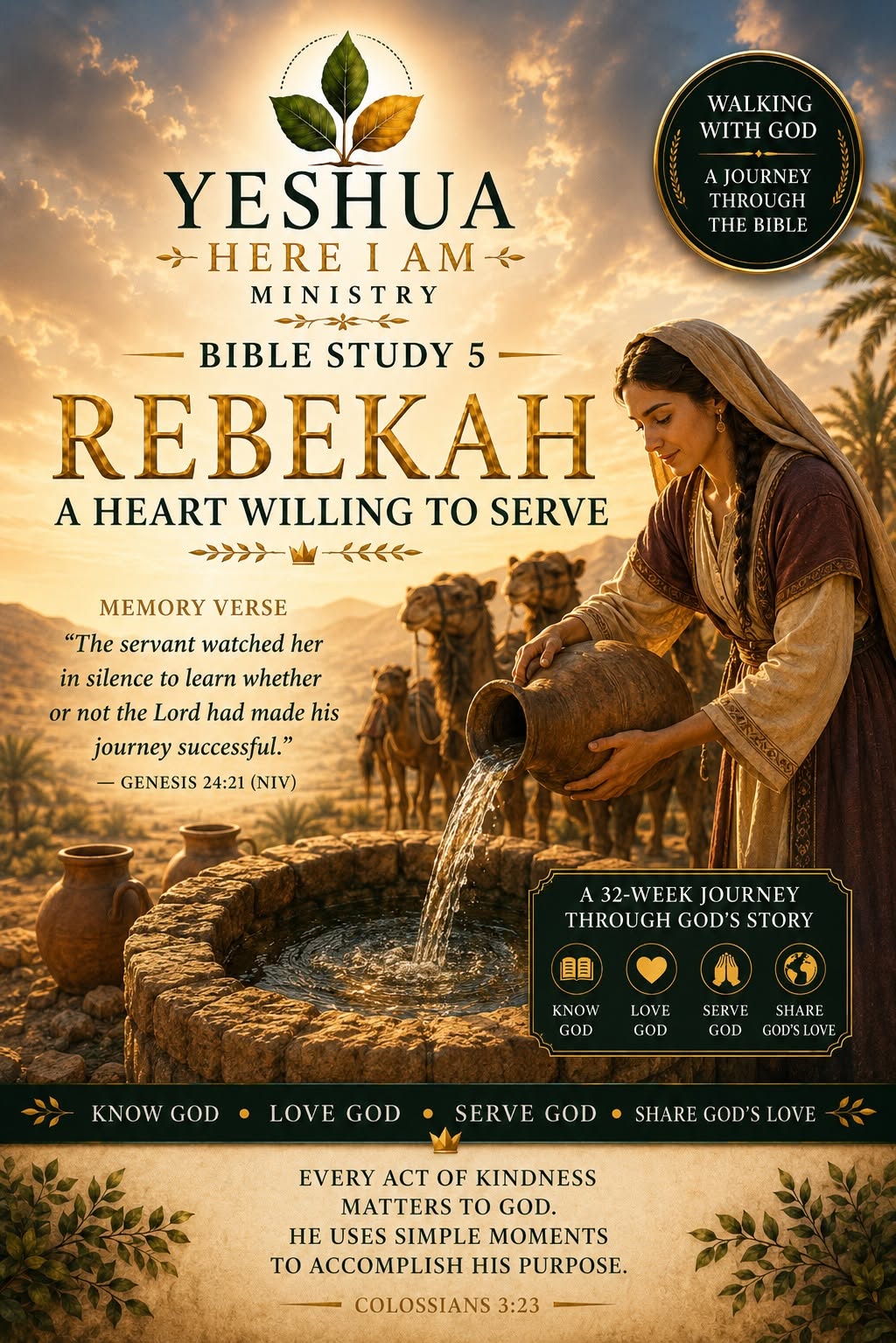
Rebekah – A Heart Willing to Serve
“The servant watched her in silence…” — Genesis 24:21
Read Study
Sarah – Trusting God’s Timing
“Is anything too hard for the Lord?” — Genesis 18:14
Read Study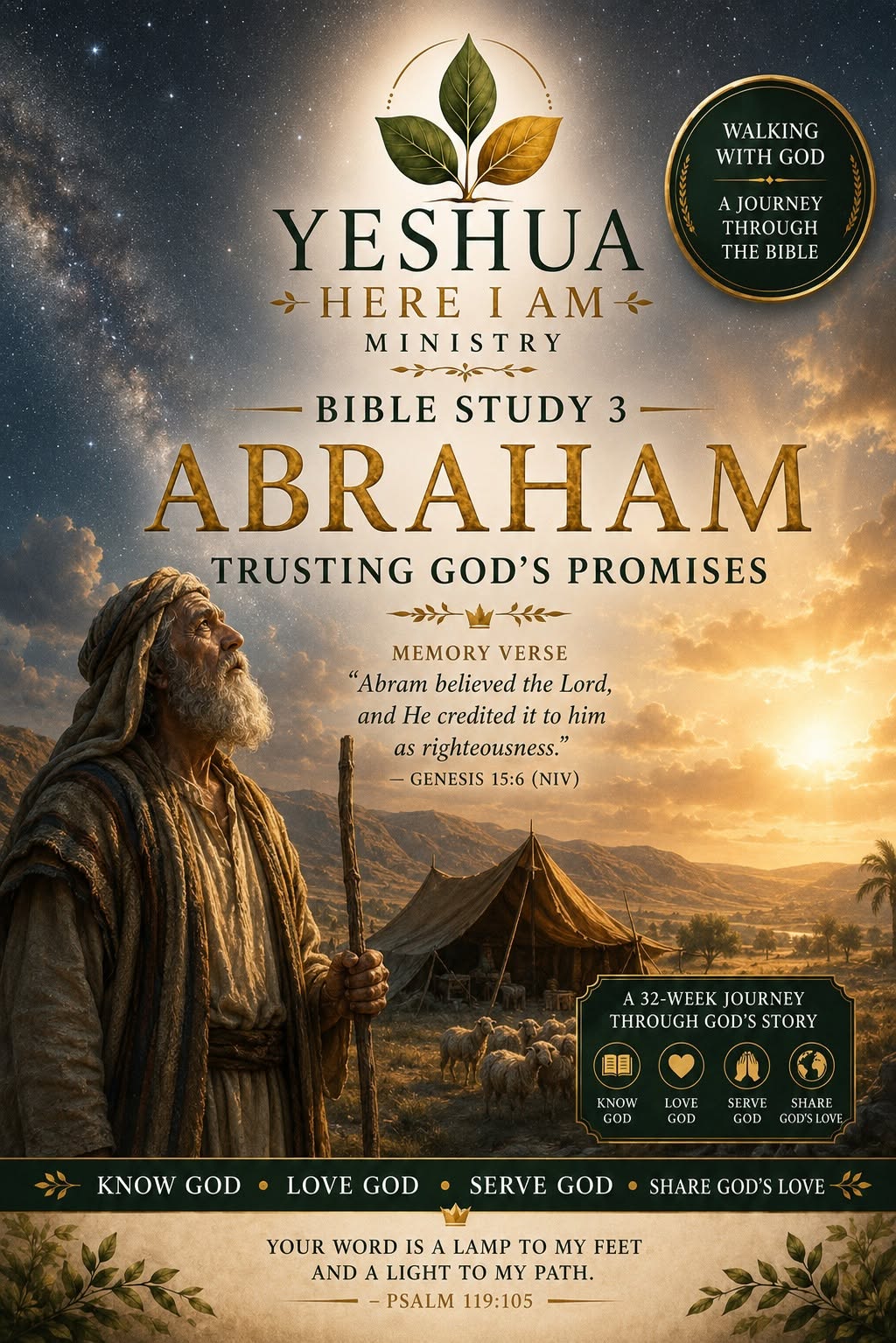
Abraham – Trusting God’s Promises
“Abram believed the Lord, and He credited it to him as righteousness.” — Genesis 15:6
Read Study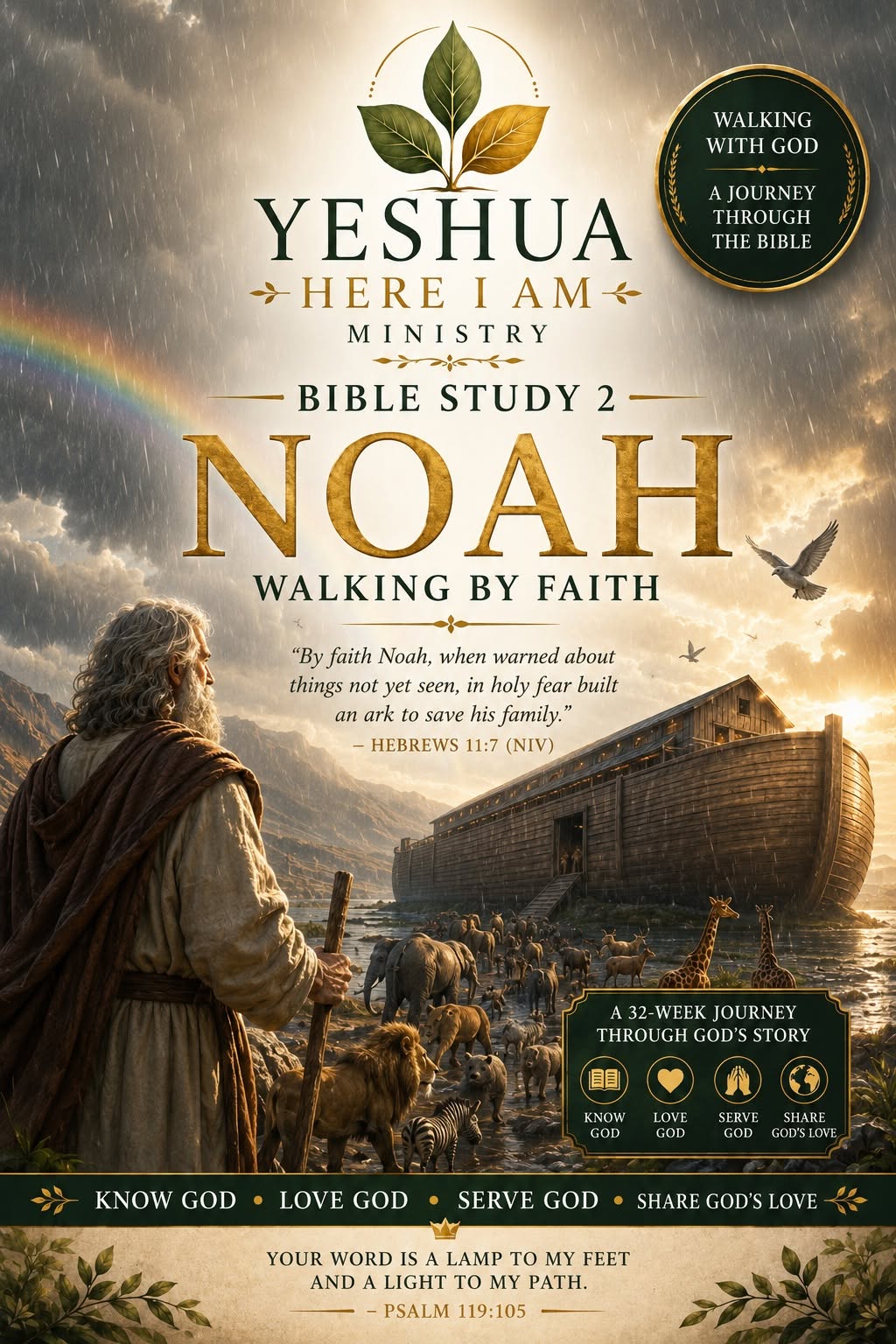
Noah – Walking by Faith
“By faith Noah… built an ark to save his family.” — Hebrews 11:7
Read Study
Adam & Eve – Created for Relationship
“So God created mankind in His own image…” — Genesis 1:27
Read StudyHow Can We Serve You?
Send us your prayer request, ask for addiction support, or request fundraising assistance.
Bible Study 12 – David
“The Lord does not look at the things people look at. People look at the outward appearance, but the Lord looks at the heart.” — 1 Samuel 16:7 (NIV)
Welcome to Bible Study 12 of our Walking with God series.
In our previous study, we walked alongside Ruth and discovered that quiet loyalty, humble obedience, and trust in God’s hidden providence lead to remarkable redemption. Ruth’s story reminded us that God is always working behind the scenes, even in seasons of grief and uncertainty.
Today we turn our attention to David, a young shepherd boy who became Israel’s greatest king. His life was filled with incredible victories, painful failures, deep repentance, and unwavering worship. From defeating Goliath in the valley to writing psalms of praise and lament in the wilderness, David’s story reminds us that God does not evaluate us by outward appearance, status, or human perfection — He looks at the condition of our heart.
David’s life teaches us that having a heart after God’s own heart does not mean living a life free from mistakes. Rather, it means having a heart that remains sensitive to God, quick to repent when we fall, and completely dependent on His grace. No matter what season or struggle you find yourself in today, God is able to use your life, restore your soul, and direct your steps when your heart is wholly devoted to Him.
Heavenly Father, Thank You for the powerful example of David and for showing us that You value a sincere and humble heart above all else. Examine our hearts today, Lord, and remove anything that does not honor You. Give us the courage to face the giants in our lives, the patience to wait on Your timing, and the humility to turn to You in true repentance whenever we fall. Teach us to worship You in every season and to walk in total surrender to Your will. In Yeshua’s name, Amen.
Main Bible Reading
1 Samuel 16:1–23 • 1 Samuel 17:1–58 • 1 Samuel 24:1–22 • 2 Samuel 7:1–17 • 2 Samuel 11:1–12:23 • Psalm 51:1–19
Who Was David?
The name David comes from the Hebrew דָּוִד (David), often understood to mean “beloved.”
David was the youngest son of Jesse from the tribe of Judah. While his older brothers were tall, strong, and outwardly suited for military service, David spent his youth in obscurity, faithfully tending his father’s sheep in the fields of Bethlehem. It was in those quiet pastures that David learned to trust God, defending the flock against lions and bears and pouring out his soul in worship.
When the prophet Samuel came to anoint Israel’s next king, God directed him past David’s older brothers and chose the hidden shepherd boy. Later, when the giant Goliath defied the armies of Israel, David stepped forward with unwavering faith, defeating the giant with a sling, a stone, and total trust in the Lord of Hosts.
Though anointed king, David endured years of hardship and fugitive life while waiting for God’s promise to be fulfilled. When he eventually reigned over Israel, he established Jerusalem as the spiritual and political center of the nation. Even after his grave sins involving Bathsheba and Uriah, David demonstrated true heart-repentance when confronted by the prophet Nathan, throwing himself completely on God’s mercy.
God made an everlasting covenant with David, promising that his throne would endure forever—a promise fulfilled through the birth, life, death, and resurrection of Yeshua the Messiah.
Historical Background
David lived around 1000 BC, during the transition of Israel from a loosely connected group of tribes led by judges to a unified kingdom under a monarchy.
He was:
- A shepherd boy from Bethlehem
- The youngest son of Jesse
- Anointed as king while still a youth
- A courageous warrior who defeated Goliath
- A gifted musician and composer of many Psalms
- The king who unified the tribes of Israel and established Jerusalem
- A man of deep repentance and passionate worship
- An ancestor in the direct line of Yeshua
David beautifully points us toward Yeshua, our Good Shepherd and Eternal King, who lays down His life for His flock and reigns with perfect justice, righteousness, and mercy.
What Can We Learn from David?
- God looks at the heart, not outward status or appearance.
- Private faithfulness in small things prepares us for public victories.
- True courage comes from trusting God’s power, not our own capabilities.
- God’s promises require patience; we must never take ungodly shortcuts.
- True repentance involves honesty, humility, and a broken spirit before God.
- Worship is essential in times of joy, grief, fear, and repentance.
- God’s mercy and redemption are always greater than our greatest failures.
Take a Few Moments to Reflect
- Am I focusing more on outward appearances or on the condition of my heart before God?
- What “giants” am I facing right now, and am I trusting God to fight for me?
- How do I respond when God’s Word or the Holy Spirit convicts me of sin?
- Am I willing to wait faithfully on God’s timing without trying to force my own outcome?
- Do I maintain a heart of worship during both seasons of triumph and seasons of trial?
Today’s Challenge
- Read 1 Samuel 17 and Psalm 51
- Memorise 1 Samuel 16:7
- Spend quiet time in prayer asking God: “Create in me a clean heart, O God, and renew a steadfast spirit within me.” (Psalm 51:10)
- Set aside 15 minutes of uninterrupted time to worship God in private, just as David did in the fields.
- Encourage someone who is facing a daunting challenge by reminding them that no giant is bigger than our God.
Father, Thank You for the life of David and for reminding me that You see me, love me, and value a heart that is devoted to You. Forgive me for the times I have focused on outward things or relied on my own strength. Create in me a clean heart, Lord, and renew a steadfast spirit within me. Give me bold faith to face every giant, patience to wait on Your timing, and humility to seek Your mercy whenever I stumble. May my life be filled with authentic worship and unwavering trust in You, every day of my life. In Yeshua’s name, Amen.
Looking Ahead…
Bible Study 13 – Elijah: Bold Faith in Times of Darkness
“Elijah was a human being, even as we are. He prayed earnestly that it would not rain, and it did not rain on the land for three and a half years.” — James 5:17
May the Lord continue to strengthen your faith as you walk with Him. Remember that God looks at the heart, and He is able to use anyone who is willing to seek Him with sincerity and humility.
Yeshua Here I Am Ministry
Bible Study 11 – Ruth
“Where you go I will go, and where you stay I will stay. Your people will be my people and your God my God.” — Ruth 1:16 (NIV)
Welcome to Bible Study 11 of our Walking with God series. In our previous study, we walked alongside Joshua and discovered that courage is not the absence of fear but the decision to trust God despite it. Joshua’s life reminded us that when God calls us forward, He goes before us, strengthening us for every challenge.
Today we turn our attention to Ruth, a remarkable woman whose story is woven with love, loss, loyalty, and redemption. Ruth was not an Israelite by birth; she was a Moabite widow who chose to leave behind everything familiar to follow the God of Israel. Her decision was one of extraordinary faith, made during a season of grief and uncertainty.
Ruth’s story reminds us that God is always working behind the scenes, even when life feels broken or directionless. Through simple acts of faithfulness and obedience, God brought restoration not only to Ruth’s life but also to the future of His people. Her story ultimately became part of the lineage of King David—and generations later, Yeshua the Messiah.
Many times, we cannot see what God is doing while we are walking through difficult seasons. Like Ruth, we are called to trust Him one step at a time, believing that His plans are always greater than our understanding. No matter what season you are in today, God is able to turn sorrow into joy, emptiness into abundance, and uncertainty into purpose.
Heavenly Father, Thank You for the beautiful example of Ruth and for showing us that faithfulness is precious in Your sight. Help us to remain loyal to You even when the future is uncertain and the road ahead seems difficult. Teach us to trust Your timing, to follow where You lead, and to believe that You are always working for our good even when we cannot yet see it. May our lives reflect humility, kindness, and unwavering faith as we walk with You. In Yeshua’s name, Amen.
Main Bible Reading
Ruth 1:1–22 • Ruth 2:1–23 • Ruth 3:1–18 • Ruth 4:1–22 • Matthew 1:1–16
Who Was Ruth?
The name Ruth comes from the Hebrew רוּת (Rut), often understood to mean “friend,” “companion,” or “one who is faithful.”
Ruth was a Moabite woman who married Mahlon, one of Naomi’s sons. After the deaths of her husband, father-in-law, and brother-in-law, Ruth faced an uncertain future. Naomi encouraged her daughters-in-law to remain in Moab, but Ruth chose instead to stay with Naomi and follow the God of Israel.
Her declaration remains one of the most beautiful statements of faith and loyalty in Scripture:
“Where you go I will go, and where you stay I will stay. Your people will be my people and your God my God.” — Ruth 1:16
Arriving in Bethlehem with Naomi, Ruth humbly gathered leftover grain in the fields to provide for them. By God’s providence, she found favour in the field of Boaz, a kind and godly man who became their kinsman-redeemer. Boaz eventually married Ruth, restoring Naomi’s family line and providing security for Ruth. Together they became the great-grandparents of King David, placing Ruth in the direct family line of Yeshua.
Ruth’s life demonstrates that God welcomes all who place their faith in Him, regardless of their background, nationality, or past.
Historical Background
Ruth lived during the period of the Judges, around 1200–1100 BC, a time when Israel often turned away from God and experienced great instability.
She was:
- A Moabite widow
- The daughter-in-law of Naomi
- A woman of remarkable loyalty and humility
- A hard worker who trusted God’s provision
- Redeemed by Boaz, her kinsman-redeemer
- The great-grandmother of King David
- Included in the genealogy of Yeshua
Ruth beautifully points us toward Yeshua, our ultimate Redeemer, who welcomes all people into God’s family and redeems us through His love and sacrifice.
What Can We Learn from Ruth?
- Faithfulness honours God.
- God works through ordinary acts of obedience.
- God never forgets those who trust Him.
- Loyalty and kindness reflect God’s heart.
- God’s redemption is greater than our past.
- God often works quietly behind the scenes.
- God’s timing is always perfect.
- No one is beyond God’s grace or His family.
Take a Few Moments to Reflect
- Am I remaining faithful during difficult seasons?
- Do I trust God’s timing, even when I cannot understand it?
- Where is God asking me to show loyalty and kindness?
- Am I willing to leave behind what is familiar in order to follow God?
- Do I believe God can bring redemption from my difficult circumstances?
This Week’s Challenge
- Read the Book of Ruth
- Memorise Ruth 1:16
- Ask God to help you trust His timing in every area of your life.
- Perform one unexpected act of kindness for someone this week.
- Encourage someone who is going through a difficult season by reminding them that God is still working behind the scenes.
Father, Thank You for the life of Ruth and for reminding me that You are faithful in every season. Help me to trust You when life feels uncertain and to remain faithful even when I cannot see what You are doing. Teach me to love others with humility and kindness. May I never lose hope, knowing that You are the God who restores, redeems, and provides. Help me to follow You wholeheartedly, just as Ruth did, believing that Your plans are always good. May my life reflect faithfulness, compassion, and unwavering trust in You. In Yeshua’s name, Amen.
Looking Ahead…
Bible Study 12 – David: A Heart After God’s Own Heart
“The Lord does not look at the things people look at. People look at the outward appearance, but the Lord looks at the heart.” — 1 Samuel 16:7
May the Lord strengthen you with the same faithfulness He gave Ruth. Remember that God is always working behind the scenes, turning even the most difficult seasons into stories of redemption and hope.
Yeshua Here I Am Ministry
Bible Study 10 – Joshua
“Be strong and courageous. Do not be afraid; do not be discouraged, for the Lord your God will be with you wherever you go.” — Joshua 1:9 (NIV)
Welcome to Bible Study 10 of our Walking with God series.
In our previous study, we learned from Moses that God often calls ordinary people to accomplish extraordinary purposes. Although Moses felt weak and unqualified, God equipped him to lead Israel out of slavery and faithfully guided him throughout his life.
Today we continue the journey by looking at Joshua, the faithful servant chosen to succeed Moses. Joshua stepped into one of the greatest leadership roles in biblical history. He was tasked with leading God’s people into the Promised Land after forty years in the wilderness.
Joshua reminds us that courage is not the absence of fear—it is choosing to trust and obey God despite our fears. Every believer will face moments that seem overwhelming, but God promises that we never walk alone. When God calls us forward, His presence goes before us.
Whatever challenge you are facing today, God is still saying: “Be strong and courageous… for I am with you.”
Heavenly Father, Thank You for the example of Joshua, whose life teaches us to trust You completely. When fear, uncertainty, or overwhelming responsibility come our way, remind us that Your presence is greater than every obstacle. Help us to walk in courage, not because of our own strength, but because You go before us. Teach us to obey You wholeheartedly and to stand firm in faith, even when the path ahead is unknown. May our confidence always be found in You. In Yeshua’s name, Amen.
Main Bible Reading
Joshua 1:1–18 • Joshua 3:1–17 • Joshua 4:1–24 • Joshua 5:13–15 • Joshua 6:1–27 • Joshua 23:1–16 • Joshua 24:14–28
Who Was Joshua?
The name Joshua comes from the Hebrew יְהוֹשֻׁעַ (Yehoshua), meaning “The Lord is salvation.” This is the same Hebrew name from which the name Yeshua is derived.
Joshua was born into the tribe of Ephraim and first appears in Scripture as a young man serving Moses. He became one of Israel’s greatest military leaders and one of only two spies—along with Caleb—who trusted God’s promise that Israel could enter the Promised Land.
Because Joshua remained faithful while others doubted, God appointed him to lead the next generation after Moses’ death.
Before Joshua led Israel across the Jordan River, God repeatedly encouraged him with the words: “Be strong and courageous.”
Joshua obeyed God with unwavering faith. Under God’s direction, he led Israel across the miraculously parted Jordan River, witnessed the walls of Jericho fall, defeated powerful enemies, divided the Promised Land among the tribes, and continually reminded the people to remain faithful to God.
Near the end of his life, Joshua challenged Israel with one of the Bible’s most famous declarations: “But as for me and my household, we will serve the Lord.” — Joshua 24:15
Joshua’s life demonstrates that lasting victory comes through obedience, faith, and dependence upon God.
Historical Background
Joshua lived around 1400 BC, during Israel’s entrance into the Promised Land. He was Moses’ faithful assistant for many years, one of the twelve spies sent into Canaan, one of only two spies who believed God’s promise, chosen by God to succeed Moses, the leader who brought Israel into the Promised Land, a courageous military commander who trusted God’s strategy rather than human wisdom, and a faithful servant who continually called God’s people back to covenant obedience.
Joshua points us toward Yeshua, our greater Leader, who leads His people into the eternal promises of God and gives us victory over sin and death.
What Can We Learn from Joshua?
- Courage comes from God’s presence, not from our own strength.
- God is faithful to fulfil every promise He makes.
- Obedience often requires stepping forward before we see the outcome.
- Faith trusts God’s instructions even when they seem unusual.
- God fights battles that we cannot win on our own.
- Spiritual victories begin with surrender to God.
- Strong leadership is built upon faithful service.
- Every generation must choose whom they will serve.
Take a Few Moments to Reflect
- What challenge is God asking me to face with courage?
- Am I allowing fear to keep me from God’s promises?
- Do I trust God’s direction even when I don’t understand it?
- What “walls of Jericho” seem impossible in my life today?
- Can I truly say, “As for me and my household, we will serve the Lord”?
This Week’s Challenge
- Read the Book of Joshua, chapters 1–6, and 24.
- Memorise Joshua 1:9.
- Ask God to strengthen your faith where fear has been holding you back.
- Take one courageous step of obedience this week.
- Encourage someone who is facing a difficult situation by reminding them that God is with them.
Father, Thank You for the life of Joshua and for reminding me that Your presence gives me courage for every challenge I face. Forgive me for the times I have allowed fear to speak louder than faith. Help me to trust You completely, even when the road ahead seems uncertain. Give me the courage to obey You, the wisdom to follow Your direction, and the confidence to know that You are fighting for me. May I faithfully declare each day: “As for me and my household, we will serve the Lord.” May my life reflect courage, obedience, and unwavering faith as I walk with You. In Yeshua’s name, Amen.
Looking Ahead…
Bible Study 11 – Ruth: Faithfulness Through Every Season
“Where you go I will go, and where you stay I will stay. Your people will be my people and your God my God.” — Ruth 1:16 (NIV)
May the Lord strengthen you with the same courage He gave Joshua. Remember that no obstacle is too great when God goes before you. Walk boldly in faith, trust His promises, and know that His presence will never leave you.
Yeshua Here I Am Ministry
Bible Study 9 – Moses
“Now go; I will help you speak and will teach you what to say.” — Exodus 4:12 (NIV)
Welcome to Bible Study 9 of our Walking with God series.
In our previous study, we discovered how Joseph remained faithful to God through betrayal, suffering, and hardship. Despite every obstacle, God used Joseph’s life to preserve His people and demonstrate that His plans are always greater than our circumstances.
Today we turn our attention to Moses, one of the greatest leaders in the Bible. Moses’ life reminds us that God often calls ordinary people to accomplish extraordinary things. Although Moses felt inadequate, afraid, and unqualified, God saw something far greater than Moses saw in himself.
Many of us have questioned whether we are good enough, capable enough, or worthy enough for what God has placed before us. Moses teaches us that God does not choose people because of their abilities—He equips those He calls.
If God has placed a calling on your life, He will also provide the strength, wisdom, and courage you need to fulfil it.
Heavenly Father, Thank You for the life of Moses and for reminding us that You see our potential even when we cannot see it ourselves. Help us to trust You when You call us into situations that seem bigger than we are. Replace our fear with faith, our doubt with confidence, and our weakness with Your strength. Teach us to walk in obedience, trusting that You will guide every step we take. In Yeshua’s name, Amen.
Main Bible Reading
Exodus 2:1–25 • Exodus 3:1–22 • Exodus 4:1–17 • Exodus 12:31–42 • Exodus 14:10–31 • Deuteronomy 34:1–12
Who Was Moses?
The name Moses comes from the Hebrew מֹשֶׁה (Mosheh), traditionally understood as meaning “drawn out”, because Pharaoh’s daughter drew him out of the Nile River (Exodus 2:10).
Moses was born during a time when Pharaoh ordered every Hebrew baby boy to be killed. His mother courageously hid him for three months before placing him in a basket among the reeds of the Nile River. By God’s providence, Pharaoh’s daughter found the child and raised him in the royal palace.
Although Moses grew up as an Egyptian prince, he never forgot his Hebrew heritage. After killing an Egyptian who was beating a Hebrew slave, Moses fled into the wilderness of Midian, where he spent forty years as a shepherd.
While tending sheep near Mount Horeb, Moses encountered God in the burning bush. There God called him to return to Egypt and lead the Israelites out of slavery.
Moses immediately questioned his own ability. He asked God, “Who am I?” He worried that people would not believe him and admitted that he was not an eloquent speaker. Yet God answered every excuse with His promises.
Through Moses, God displayed His mighty power by sending the ten plagues upon Egypt, instituting the first Passover, parting the Red Sea, providing manna in the wilderness, giving the Ten Commandments, and leading Israel toward the Promised Land.
Although Moses was not perfect, he became known as one of the greatest servants of God because of his humility, obedience, and faith.
Historical Background
Moses lived around 1500–1400 BC, during the period when the Israelites were enslaved in Egypt. He was the son of Amram and Jochebed, raised in Pharaoh’s household, called by God through the burning bush, the leader chosen to deliver Israel from slavery, the mediator through whom God gave the Law, and a prophet who faithfully led God’s people for forty years in the wilderness.
Moses’ life points us toward Yeshua, the greater Deliverer, who came to free humanity from the slavery of sin.
What Can We Learn from Moses?
- God often calls ordinary people to extraordinary purposes.
- God equips those He calls.
- Obedience is more important than ability.
- God’s strength is made perfect in our weakness.
- Faith requires stepping forward even when we cannot see the whole journey.
- God is patient with us when we struggle with fear.
- True leadership begins with humility and dependence on God.
- God always keeps His promises.
Walking with God Today
Take a few moments to reflect:
- Am I allowing fear to stop me from following God’s calling?
- What excuses have I been giving God?
- Do I trust that God can use me despite my weaknesses?
- Where is God asking me to step out in faith today?
- Am I relying on my own strength or His?
Weekly Challenge
- Read Exodus 2–14.
- Memorise Exodus 4:12.
- Ask God to reveal the purpose He has for your life.
- Take one step of obedience toward something God has placed on your heart.
- Encourage someone who feels inadequate by reminding them that God equips those He calls.
Father, Thank You for showing me through Moses that You can use anyone who is willing to trust and obey You. Forgive me for the times I have allowed fear and doubt to hold me back. Help me to trust that Your strength is greater than my weakness. Give me courage to follow wherever You lead and wisdom to recognise Your voice above all others. May my life bring glory to You as I walk faithfully in the purpose You have prepared for me. In Yeshua’s name, Amen.
Looking Ahead…
Bible Study 10 – Joshua: Courage to Follow God
“Be strong and courageous. Do not be afraid; do not be discouraged, for the Lord your God will be with you wherever you go.” — Joshua 1:9 (NIV)
May the Lord continue to strengthen your faith as you walk with Him. Remember that when God calls you, He also walks beside you, equips you, and faithfully completes the work He has begun in your life.
Yeshua Here I Am Ministry
Bible Study 8 – Joseph
“You intended to harm me, but God intended it for good to accomplish what is now being done, the saving of many lives.” — Genesis 50:20 (NIV)
Welcome to Bible Study 8 of our Walking with God series.
In our previous study, we learned from Rachel about trusting God’s perfect timing, even during seasons of waiting and uncertainty. Today, we continue our journey by looking at the life of Joseph, a young man who experienced betrayal, slavery, false accusations, imprisonment, and years of hardship, yet remained faithful to God through every trial.
Joseph’s story teaches us that God is always working, even when life seems unfair. What others intended for evil, God used for good. Every difficult season prepared Joseph for the purpose God had planned long before he was born. His life reminds us that God never wastes our pain and that He is able to turn our greatest trials into powerful testimonies for His glory.
No matter what challenges you are facing today, God is faithful, and His plans for your life are always greater than your circumstances.
Heavenly Father, Thank You for the example of Joseph, who remained faithful to You through every season of his life. Help us to trust You when we face disappointment, rejection, or hardship. Strengthen our faith when life feels unfair, and remind us that You are always working behind the scenes for our good and for Your glory. Teach us to remain faithful, to forgive as Joseph forgave, and to place our hope completely in You. In Yeshua’s name, Amen.
Main Bible Reading
Genesis 37:1–36 • Genesis 39:1–23 • Genesis 40:1–23 • Genesis 41:1–57 • Genesis 45:1–15 • Genesis 50:15–21
Who Was Joseph?
The name Joseph comes from the Hebrew יוֹסֵף (Yosef), meaning “He will add” or “May the Lord increase.”
Joseph was the eleventh son of Jacob and the first son born to Rachel, Jacob’s beloved wife. He was deeply loved by his father, who gave him a richly ornamented robe. This special favour caused jealousy among his brothers.
When Joseph shared dreams that God had given him about his future, his brothers became even more resentful. They plotted against him, threw him into a pit, and eventually sold him as a slave to traders travelling to Egypt.
Although Joseph was innocent, his troubles did not end there. After faithfully serving in the house of Potiphar, he was falsely accused by Potiphar’s wife and imprisoned. Yet throughout every hardship, the Lord was with Joseph and blessed him wherever he went.
While in prison, God gave Joseph the ability to interpret dreams. In His perfect timing, Joseph was called before Pharaoh to interpret troubling dreams that foretold seven years of abundance followed by seven years of famine.
Because of the wisdom God gave him, Joseph was appointed governor over Egypt. During the famine, he wisely managed the nation’s food supply, saving Egypt and many surrounding nations—including his own family. When Joseph was finally reunited with his brothers, he chose forgiveness instead of revenge, recognizing that God had used every painful experience to accomplish His greater purpose.
Joseph’s life reminds us that God can transform our greatest disappointments into His greatest blessings.
Historical Background
Joseph lived around 1900–1800 BC during the time of the biblical patriarchs. He was the son of Jacob and Rachel, the great-grandson of Abraham, sold into slavery by his own brothers, raised by God to become governor of Egypt, and used by God to preserve His covenant family during a devastating famine.
Joseph’s story took place during the early history of Israel and reveals God’s sovereign hand at work in preparing the nation through whom the promised Messiah, Yeshua, would one day come.
What Can We Learn from Joseph?
- God is with us through every season of life.
- Faithfulness often grows during difficult times.
- God can use suffering to prepare us for His purpose.
- Forgiveness brings freedom and healing.
- Integrity honours God, even when no one else is watching.
- God’s timing is always perfect.
- God is able to turn evil into good.
- God’s plans are always greater than our own.
Walking with God Today
Take a few moments to reflect:
- Am I trusting God during the difficult seasons of my life?
- Is there someone I need to forgive as Joseph forgave his brothers?
- Have I remained faithful when life has seemed unfair?
- How is God using my current challenges to prepare me for His purpose?
Weekly Challenge
- Read Genesis 37–50.
- Memorise Genesis 50:20.
- Pray for strength to remain faithful during difficult times.
- Ask God to help you forgive someone who has hurt you.
- Encourage someone who may be struggling by reminding them that God is still in control.
Father, Thank You for reminding me through Joseph’s life that You are always with me, even when I cannot understand what You are doing. Help me to trust Your plans above my own, to remain faithful during every season, and to forgive those who have wronged me. Give me the strength to walk in integrity, patience, and obedience, knowing that You are working all things together for good according to Your perfect will. Thank You for never leaving me and for turning every trial into an opportunity to glorify Your name. In Yeshua’s name, Amen.
Looking Ahead…
Bible Study 9 – Moses: Called for a Greater Purpose
“Now go; I will help you speak and will teach you what to say.” — Exodus 4:12 (NIV)
May the Lord continue to strengthen your faith as you walk with Him. Remember that God is always with you, guiding your steps and preparing you for the purpose He has planned for your life.
Yeshua Here I Am Ministry
Bible Study 7 – Rachel
“Then God remembered Rachel; He listened to her and enabled her to conceive.” — Genesis 30:22 (NIV)
Welcome to Bible Study 7 of our Walking with God series.
In our previous study, we learned from Jacob about God’s transforming power and how He can change our lives when we surrender to Him. Today, we continue the journey by looking at the life of Rachel, a woman who experienced deep love, painful seasons of waiting, disappointment, and ultimately the faithfulness of God.
Rachel’s story teaches us that God’s timing is always perfect. Even when our prayers seem unanswered and our hearts grow weary, God has not forgotten us. He is always working behind the scenes according to His perfect plan.
No matter how long you have been waiting, God is faithful to His promises.
Heavenly Father, Thank You for reminding us through Rachel’s life that Your timing is always perfect. Help us to trust You during seasons of waiting and uncertainty. Strengthen our faith when answers seem delayed, and teach us to rest in Your promises. May we always remember that You see us, You hear us, and You never forget Your children. In Yeshua’s name, Amen.
Main Bible Reading
Genesis 29:1–35 • Genesis 30:1–24 • Genesis 31:1–21 • Genesis 35:16–20
Who Was Rachel?
The name Rachel comes from the Hebrew רָחֵל (Raḥel), meaning “ewe” or “female sheep.” In Scripture, sheep often symbolise gentleness, care, and God’s loving provision.
Rachel was the younger daughter of Laban and became the beloved wife of Jacob. Jacob loved Rachel so deeply that he willingly worked seven years to marry her. However, Laban deceived Jacob by giving him Leah first, requiring Jacob to work another seven years before marrying Rachel.
Although Rachel was deeply loved, she struggled with the pain of infertility while her sister Leah had children. Her heart was filled with longing, disappointment, and many unanswered prayers.
Yet God had not forgotten Rachel. In His perfect time, God answered her prayers, and she gave birth to Joseph, who would later become one of the greatest leaders in Egypt and play a vital role in preserving God’s people during a severe famine. Later she also gave birth to Benjamin, though she sadly passed away during his birth.
Rachel’s life reminds us that God’s delays are never His denials.
Historical Background
Rachel lived around 1900 BC. She was the daughter of Laban, the niece of Rebekah, and the beloved wife of Jacob. She became the mother of Joseph and Benjamin, two important figures in the history of Israel. Rachel’s story took place during the early years of God’s covenant family, through whom the Messiah would eventually come.
What Can We Learn from Rachel?
- God’s timing is always perfect.
- Waiting does not mean God has forgotten us.
- Comparison steals our peace and joy.
- God’s faithfulness never changes.
- Love often requires patience and perseverance.
- God hears every sincere prayer.
- God’s plans are greater than our expectations.
Take a few moments to reflect:
- Am I trusting God’s timing, even when I cannot see what He is doing?
- Is comparison preventing me from appreciating God’s blessings in my own life?
- Have I become discouraged while waiting for God to answer my prayers?
- How can I continue to remain faithful during seasons of waiting?
Today’s Challenge
- Read Genesis 29–35.
- Memorise Genesis 30:22.
- Pray about an area where you have been waiting on God.
- Thank God for His faithfulness, even before you see the answer.
- Encourage someone else who may be struggling to trust God’s timing.
Father, Thank You that You never forget Your children. Help me to trust You even when I cannot understand Your timing. Give me patience during seasons of waiting and strengthen my faith to believe that You are always working for my good. Teach me to rest in Your promises and to remain faithful, knowing that Your plans are always perfect. In Yeshua’s name, Amen.
Looking Ahead…
Bible Study 8 – Joseph: Faithful Through Every Season
“You intended to harm me, but God intended it for good…” — Genesis 50:20 (NIV)
May the Lord continue to strengthen your faith as you walk with Him. Remember that no circumstance is beyond God’s power, and He is always working His perfect plan for those who trust in Him.
Yeshua Here I Am Ministry
Bible Study 6 – Jacob
“Your name will no longer be Jacob, but Israel, because you have struggled with God and with humans and have overcome.” — Genesis 32:28 (NIV)
Welcome to Bible Study 6 of our Walking with God series.
In our previous study, we learned from Rebekah about having a willing heart and trusting God’s purpose. Today we continue the journey with her son, Jacob.
Jacob’s life is a powerful reminder that God can transform anyone. Although Jacob made many mistakes and often relied on his own plans, God never gave up on him. Through years of challenges, God shaped Jacob into a man of faith and gave him a new name—Israel.
No matter what your past looks like, God is able to change your future.
Heavenly Father, Thank You for Your patience and Your grace. Thank You that You never stop working in our lives. As we study Jacob’s journey, help us to surrender our plans to You and allow You to transform our hearts. Teach us to trust You more each day. In Yeshua’s name, Amen.
Main Bible Reading
Genesis 25:19–34 • Genesis 27:1–40 • Genesis 28:10–22 • Genesis 32:22–32 • Genesis 33:1–20
Who Was Jacob?
The name Jacob comes from the Hebrew יַעֲקֹב (Ya’akov), meaning “heel holder” or “one who follows.”
Jacob was the son of Isaac and Rebekah and the grandson of Abraham and Sarah. Before he was born, God told Rebekah that Jacob would play an important role in His plan.
Jacob became known for deceiving his brother Esau to receive the family blessing. Because of this, he had to flee from home. During his journey, God met him in a dream at Bethel, where Jacob saw a ladder reaching to heaven with angels ascending and descending.
Years later, Jacob wrestled with God through the night. Instead of leaving him unchanged, God gave Jacob a new name—Israel, meaning “one who struggles with God” or “God prevails.” This marked the beginning of a transformed life.
Through Jacob’s twelve sons, God established the twelve tribes of Israel, from whom the Messiah, Yeshua, would eventually come.
Historical Background
Jacob lived around 1900 BC. He spent many years living with his uncle Laban. Jacob married Leah and Rachel and became the father of twelve sons, who became the twelve tribes of Israel. His life demonstrates God’s faithfulness across generations.
What Can We Learn from Jacob?
- God can transform anyone.
- We cannot outrun God’s calling.
- God’s grace is greater than our mistakes.
- True change begins when we surrender to God.
- God keeps His promises across generations.
- Forgiveness restores broken relationships.
- God’s plans are always greater than ours.
Did You Know?
- Jacob and Esau were twins.
- Jacob dreamed of a ladder reaching heaven at Bethel.
- God changed Jacob’s name to Israel.
- Jacob became the father of the twelve tribes of Israel.
- Yeshua was born through Jacob’s family line.
Walking with God Today
Take a few moments to reflect:
- Is there an area of my life that God wants to transform?
- Am I trusting God or trying to solve everything myself?
- Is there someone I need to forgive or seek forgiveness from?
- What does it mean for me to surrender fully to God?
Today’s Challenge
- Read Genesis Chapters 25–33.
- Memorise Genesis 32:28.
- Pray for God to transform an area of your life.
- Forgive someone who has hurt you, or ask forgiveness if needed.
- Trust God’s plan instead of relying only on your own understanding.
Father, thank You for never giving up on me. Just as You transformed Jacob, transform my heart so that I may become more like Yeshua. Help me to trust Your plans, walk in obedience, and live each day by faith. Thank You for Your grace that gives me a new beginning. In Yeshua’s name, Amen.
Looking Ahead…
Bible Study 7 – Rachel: Love, Patience and God’s Plan
“Then God remembered Rachel; He listened to her and enabled her to conceive.” — Genesis 30:22 (NIV)
May the Lord continue to guide your steps as you walk with Him. Trust His timing, remain faithful, and remember that He is always working for your good and His glory.
Yeshua Here I Am Ministry
Bible Study 5 – Rebekah
“The servant watched her in silence to learn whether or not the Lord had made his journey successful.” — Genesis 24:21 (NIV)
Welcome to Bible Study 5 of our Walking with God series.
Yesterday, we learned from Sarah that God’s timing is always perfect. Even during seasons of waiting, God remains faithful to every promise He has made.
Today we meet Rebekah, a young woman whose ordinary act of kindness became part of God’s extraordinary plan. She did not know that offering water to a weary traveller would change the course of history.
Rebekah reminds us that God often works through simple acts of service. When we willingly serve others with a joyful heart, we place ourselves in a position where God can use us for His greater purpose.
Whether we are serving our family, neighbours, church, workplace, or community, God sees every act of kindness.
Heavenly Father, Thank You for showing us through Rebekah that no act of kindness is ever too small for You to use. Help us to develop hearts that willingly serve others without expecting anything in return. Teach us to recognise opportunities to be Your hands and feet each day. May our lives reflect Your love through humility, generosity, and compassion. Guide us as we study Your Word today. In Yeshua’s name, Amen.
Main Bible Reading
Genesis 24:10–27 • Genesis 24:50–67 • Proverbs 11:25 • Matthew 20:26–28 • Galatians 5:13 • Philippians 2:3–8
Who Was Rebekah?
Rebekah was the daughter of Bethuel and the granddaughter of Nahor, Abraham’s brother. She lived in Mesopotamia before God chose her to become the wife of Isaac.
When Abraham wanted a wife for Isaac, he sent his trusted servant to find a woman from among his relatives. Before arriving, the servant prayed that God would reveal the right woman through a simple sign. He asked that she would not only offer him water but also willingly water his camels.
Rebekah did exactly that. Without hesitation, she generously drew enough water for ten thirsty camels—a task that required considerable time and effort. She expected nothing in return and simply served with kindness.
After learning that God had answered his prayer, Abraham’s servant praised the Lord for His faithfulness. Rebekah later chose to leave her home and family to travel to Canaan, trusting God’s plan for her future.
She became Isaac’s wife and eventually the mother of Jacob and Esau, continuing God’s covenant through the promised family line.
Historical Background
Rebekah lived approximately 1,900 years before the birth of Yeshua. Her marriage to Isaac continued God’s covenant with Abraham. Through her son Jacob came the twelve tribes of Israel. Ultimately, through this family line, Yeshua the Messiah entered the world, fulfilling God’s promise to bless every nation.
What Can We Learn from Rebekah?
- God notices our everyday acts of kindness.
- A willing heart is valuable to God.
- Serving others opens doors for God to work through us.
- God’s guidance often comes one step at a time.
- Obedience sometimes requires leaving our comfort zone.
- God prepares us for His plans long before we realise it.
- Small acts of faithfulness can have eternal significance.
Walking with God Today
Take a few moments to reflect:
- Am I willing to serve others without expecting recognition?
- Do I notice opportunities to show kindness each day?
- Is God asking me to step out in faith into something new?
- Am I trusting God’s direction for my future?
- How can I serve someone today in a practical way?
Weekly Challenge
- Read Genesis Chapter 24.
- Memorise Genesis 24:21.
- Look for one opportunity each day to serve someone without expecting anything in return.
- Pray each morning that God will guide your steps.
- Thank God every evening for the opportunities He gave you to help others.
Father, Thank You for the example of Rebekah. Help me to develop a servant’s heart that reflects Your love every day. Open my eyes to see people who need encouragement, kindness, or practical help. Teach me to serve with humility, generosity, and joy, knowing that every act of love brings glory to You. Lead me where You want me to go, and help me trust You with every step of my journey. In Yeshua’s name, Amen.
Looking Ahead…
Bible Study 6 – Jacob: From Deceiver to Israel
“Your name will no longer be Jacob, but Israel…” — Genesis 32:28 (NIV)
May you remember this week that every act of kindness matters to God. He often uses simple moments of obedience to accomplish extraordinary purposes. As you serve others with humility and love, may your life reflect the heart of Yeshua, who came not to be served, but to serve.
Yeshua Here I Am Ministry
Bible Study 4 – Sarah
“Is anything too hard for the Lord? I will return to you at the appointed time next year, and Sarah will have a son.” — Genesis 18:14 (NIV)
Welcome to Bible Study 4 of our Walking with God series.
Yesterday, we learned from Abraham that faith means trusting God’s promises even when we cannot yet see how they will come to pass. Abraham obeyed God’s call and believed that God would remain faithful to His covenant.
This week, we turn our attention to Sarah, Abraham’s wife. Sarah’s journey was one of waiting, hoping, doubting, and ultimately witnessing God’s miraculous faithfulness. Her life reminds us that God is never late. Although His timing may not match our expectations, His plans are always perfect.
Whether we are waiting for healing, restoration, provision, direction, or answered prayer, Sarah’s story encourages us to remain faithful because nothing is impossible for God.
Heavenly Father, Thank You that You are a faithful God who always keeps Your promises. When we grow impatient or discouraged, remind us that Your timing is perfect. As we study Sarah’s life today, help us to trust You more deeply and to wait with hope, knowing that You are working even when we cannot see it. Teach us to rest in Your plans and strengthen our faith as we walk with You. In Yeshua’s name, Amen.
Main Bible Reading
Genesis 17:15–19 • Genesis 18:1–15 • Genesis 21:1–7 • Hebrews 11:11–12 • Romans 4:19–21
Who Was Sarah?
Sarah was one of the most important women in the Bible and the wife of Abraham, the father of many nations. She was originally called Sarai, which means “My Princess.” God later changed her name to Sarah, meaning “Princess,” because she would become the mother of nations and kings.
When God called Abraham to leave his homeland, Sarah faithfully journeyed beside him into an unknown land. Although God promised that they would have a son, years passed without any sign of the promise being fulfilled. As Sarah grew older, she wondered how such a promise could ever become reality.
At one point, Sarah tried to help fulfil God’s promise by giving Hagar to Abraham. This decision brought heartache and reminds us that trying to force God’s timing often creates unnecessary difficulties.
Later, when the Lord announced that Sarah would bear a son in her old age, she laughed because it seemed impossible. Yet God fulfilled His promise exactly as He had said. Sarah gave birth to Isaac when she was ninety years old, proving that God’s power is greater than human limitations.
Historical Background
Sarah lived approximately 2,000 years before the birth of Yeshua. She travelled from Ur of the Chaldeans to the land of Canaan alongside Abraham as they followed God’s call. Her son Isaac became the child of promise through whom God continued His covenant with Abraham. Through Isaac’s descendants came the nation of Israel, and ultimately Yeshua the Messiah, fulfilling God’s promise to bless all nations.
Sarah is remembered throughout Scripture as an example of faith and perseverance.
What Can We Learn from Sarah?
- God’s timing is always perfect.
- Waiting seasons help strengthen our faith.
- God’s promises are not limited by our circumstances.
- We should trust God’s plan rather than trying to force our own.
- God can accomplish what seems impossible.
- Even when we struggle with doubt, God remains faithful.
- God’s faithfulness brings joy after seasons of waiting.
Walking with God Today
Take a few moments to reflect:
- Am I waiting on God for something important?
- Have I become impatient while waiting for God’s answer?
- Am I trying to solve problems in my own strength instead of trusting God?
- Can I remember a time when God answered a prayer in His perfect timing?
- How can I encourage someone else who is waiting on God today?
Weekly Challenge
- Read Genesis Chapters 17–21.
- Memorise Genesis 18:14.
- Spend time each day praying about something you are waiting for.
- Choose to trust God’s timing instead of becoming discouraged.
- Encourage someone who is going through a difficult season of waiting.
Father, Thank You that You are always faithful and that Your promises never fail. Help me to trust Your timing, even when I do not understand what You are doing. Teach me to wait patiently, knowing that You are working all things together for good. Give me peace while I wait, courage to remain faithful, and confidence that nothing is impossible for You. May my life reflect unwavering trust in Your perfect plan. In Yeshua’s name, Amen.
Looking Ahead…
Bible Study 5 – Rebekah: A Heart Willing to Serve
“The servant watched her in silence to learn whether or not the Lord had made his journey successful.” — Genesis 24:21 (NIV)
May you remember this week that God’s delays are never His denials. The God who fulfilled His promise to Sarah is the same God who is faithful today. Trust Him, wait on Him, and know that His timing is always perfect.
Yeshua Here I Am Ministry
Bible Study 3 – Abraham
“Abram believed the Lord, and He credited it to him as righteousness.” — Genesis 15:6 (NIV)
Welcome to Bible Study 3 of our Walking with God series.
Yesterday we learned how Noah trusted God and obeyed Him even when the world around him rejected God’s ways. Noah’s faith reminds us that obedience brings blessing.
This week, we meet Abraham, a man whom God called to leave everything he knew and follow Him into the unknown. Abraham’s journey teaches us that faith is not simply believing that God exists—it is trusting His promises even when we cannot yet see how they will be fulfilled.
Through Abraham, God established a covenant that would bless all nations and ultimately point to Yeshua, our Messiah.
Heavenly Father, Thank You for always keeping Your promises. As we study the life of Abraham, teach us to trust You completely, even when we cannot see the full picture. Strengthen our faith, increase our obedience, and help us walk where You lead. In Yeshua’s name, Amen.
Main Bible Reading
Genesis 12:1–9 • Genesis 15:1–6 • Genesis 17:1–8 • Genesis 22:1–18
Who Was Abraham?
The name Abraham comes from the Hebrew אַבְרָהָם (Avraham), meaning “Father of Many Nations.” He was originally called Abram, meaning “Exalted Father,” before God changed his name.
Abraham lived in the city of Ur when God called him to leave his homeland and journey to a land that God would show him. Although he did not know where he was going, Abraham obeyed because he trusted God’s voice.
God promised Abraham that he would become the father of a great nation, that his descendants would be as numerous as the stars, and that through his family all nations of the earth would be blessed. Although Abraham and Sarah waited many years for a child, God remained faithful and fulfilled His promise through the birth of Isaac.
Abraham’s willingness to offer Isaac to God demonstrated complete trust and obedience. God provided a ram in Isaac’s place, foreshadowing the sacrifice of Yeshua, the Lamb of God.
Historical Background
Abraham lived around 2,000 years before the birth of Yeshua. He travelled from Ur of the Chaldeans to Canaan, following God’s call. The covenant God made with Abraham became the foundation of Israel’s history and revealed His plan of redemption for the world.
What Can We Learn from Abraham?
- Faith begins with trusting God’s voice.
- God always keeps His promises.
- Obedience often requires leaving our comfort zone.
- God’s timing is always perfect.
- Faith grows through testing.
- God’s plans are greater than our understanding.
- Through Abraham, God prepared the way for Yeshua.
Walking with God Today
Take a few moments to reflect:
- Am I trusting God’s promises even when I cannot see the outcome?
- Is God asking me to step out in faith?
- Am I willing to obey even when His plans seem difficult?
- How can I encourage someone else to trust God today?
Weekly Challenge
- Read Genesis Chapters 12–22.
- Memorise Genesis 15:6.
- Pray each day for stronger faith.
- Trust God with one situation that seems impossible.
- Share God’s faithfulness with someone this week.
Father, thank You for the example of Abraham’s faith. Help me to trust Your promises, even when I cannot see how they will come to pass. Give me the courage to follow You wherever You lead, knowing that You are always faithful. Strengthen my faith and help me become a blessing to others as I walk with You. In Yeshua’s name, Amen.
Looking Ahead…
Bible Study 4 – Sarah: Trusting God’s Timing
“Is anything too hard for the Lord?” — Genesis 18:14 (NIV)
May your faith continue to grow as you trust in God’s promises. He is faithful yesterday, today, and forever, and He will complete the good work He has begun in you.
Yeshua Here I Am Ministry
Bible Study 2 – Noah
“By faith Noah, when warned about things not yet seen, in holy fear built an ark to save his family. By his faith he condemned the world and became heir of the righteousness that is in keeping with faith.” — Hebrews 11:7 (NIV)
Welcome to Bible Study 2 of our Walking with God series.
In our first study, we learned how God created Adam and Eve for a loving relationship with Him. Sadly, sin entered the world through disobedience. As generations passed, wickedness increased, and people turned away from God.
Yet, in the middle of a corrupt world, one man chose a different path. His name was Noah.
Noah’s story teaches us that we can remain faithful to God even when everyone around us chooses another way. His life reminds us that faith is trusting God, even when we cannot yet see the outcome.
Heavenly Father, Thank You for being faithful in every generation. As we study the life of Noah, teach us to trust You completely, even when Your plans are difficult to understand. Give us courage to obey You, stand firm in our faith, and remain faithful in a world that often turns away from You. In Yeshua’s name, Amen.
Who Was Noah?
The name Noah comes from the Hebrew word נֹחַ (Noach), meaning “rest,” “comfort,” or “peace.”
Noah lived during a time when people had become very wicked. Violence, corruption, and evil filled the earth. Although everyone around him chose sin, Noah remained faithful to God.
Because of Noah’s righteousness, God chose him to build an ark to preserve life before sending the great flood.
For many years, Noah faithfully built the ark exactly as God instructed, even though there had never been a flood like the one God described. Noah trusted God’s Word and obeyed without hesitation.
After the flood, God made a covenant with Noah and placed a rainbow in the sky as a sign of His promise never again to destroy the earth by flood.
Historical Background
Noah lived approximately ten generations after Adam. The ark was built over many years before the flood came. According to Genesis 7:11, Noah was 600 years old when the floodwaters covered the earth. The flood lasted 40 days and 40 nights, and Noah and his family remained in the ark until the earth was dry again.
What Can We Learn from Noah?
- Faith means trusting God before we see the outcome.
- Obedience is an act of worship.
- God protects those who trust Him.
- God’s judgment is always accompanied by His mercy.
- God’s promises never fail.
- We can remain faithful even when we stand alone.
- The ark points us to Yeshua, our place of salvation.
Walking with God Today
Take a few moments to reflect:
- Am I trusting God even when I cannot see the future?
- Is God asking me to obey Him in an area of my life?
- Do I allow other people to influence my faith?
- How can I become more faithful in my daily walk with God?
Weekly Challenge
- Read Genesis Chapters 6–9.
- Memorise Hebrews 11:7.
- Spend 10 minutes each day praying and listening to God.
- Look for ways to obey God in the small things.
- Encourage someone who may be struggling in their faith.
Father, thank You for the example of Noah’s faith and obedience. Help me to trust You when I cannot see the way ahead. Give me the courage to stand firm, even when I feel alone. Thank You for Your promises that never fail and for the salvation we have through Yeshua. May my life reflect faith, obedience, and hope in You. In Yeshua’s name, Amen.
Looking Ahead…
Bible Study 3 – Abraham: Trusting God’s Promises
“Abram believed the Lord, and He credited it to him as righteousness.” — Genesis 15:6 (NIV)
May the Lord continue to strengthen your faith as you journey through His Word. Remember, God honours those who trust Him, obey Him, and walk faithfully with Him each day.
Yeshua Here I Am Ministry
Bible Study 1 – Adam & Eve
“So God created mankind in His own image, in the image of God He created them; male and female He created them.” — Genesis 1:27 (NIV)
Welcome to the very first Bible study in our Walking with God series.
Over the coming weeks, we will journey through the lives of men and women in the Bible who trusted God, struggled with challenges, experienced His grace, and pointed others toward His plan of salvation through Yeshua (Jesus).
We begin where the Bible begins—with Adam & Eve.
Adam & Eve’s story reminds us that every person is created with purpose. Before there was sin, there was a loving relationship between God and humanity. Even after Adam sinned, God did not abandon His people. Instead, He promised a Saviour who would restore what was broken.
Heavenly Father, Thank You for creating us in Your image and for loving us from the very beginning. As we begin this Bible study journey, open our hearts to understand Your Word. Teach us to walk closely with You each day and help us become more like Yeshua. May Your Holy Spirit guide us as we learn and grow together. In Yeshua’s name, Amen.
Main Bible Reading
Genesis 1:26–31 • Genesis 2:7–25 • Genesis 3:1–24
Who Was Adam?
The name Adam comes from the Hebrew word אָדָם (Adam), meaning “man” or “mankind.” It is also connected to adamah, meaning “ground” or “earth,” reminding us that God formed Adam from the dust of the earth.
Adam was the very first human being created by God. Unlike every other part of creation, Adam was personally formed by God, who breathed the breath of life into him. God placed Adam in the Garden of Eden, where he enjoyed perfect fellowship with his Creator.
Who Was Eve?
The name Eve comes from the Hebrew word חַוָּה (Chavvah or Havvah), meaning “life” or “living.” Adam gave her this name because she would become “the mother of all the living” (Genesis 3:20).
Eve was the first woman created by God. Unlike Adam, who was formed from the dust of the ground, Eve was created from one of Adam’s ribs, showing God’s design for companionship, unity, and partnership in marriage. Together, Adam and Eve were created in God’s image and were given the responsibility to care for His creation and live in obedience to Him.
However, Adam and Eve chose to disobey God by eating from the Tree of the Knowledge of Good and Evil. This act of disobedience brought sin and death into the world. Yet even in that moment, God showed mercy by promising that one day the Messiah would defeat Satan and restore humanity.
Some Historical Background
Adam and Eve lived at the very beginning of creation before nations, kings, or cities existed. The Garden of Eden was a place of perfect peace, where God walked with them in close fellowship. They were the first husband and wife, created to live in harmony with God, with one another, and with His creation.
Adam lived for 930 years (Genesis 5:5). While the Bible does not record Eve’s age at her death, she is remembered as “the mother of all the living” (Genesis 3:20).
What Can We Learn from Adam and Eve?
- God created every person with purpose.
- We are made in God’s image and have great value.
- God created us for a personal relationship with Him.
- God designed marriage and family from the very beginning.
- Sin separates us from God and affects all humanity.
- Disobedience has consequences, but God is always just and loving.
- God’s mercy is greater than our failures.
- Even after the Fall, God promised a Redeemer, and His plan of salvation is fulfilled through Yeshua.
- Genesis 3:15 contains the first prophecy pointing to Yeshua as our Redeemer.
Walking with God Today
Ask yourself:
- Am I spending time with God every day?
- Is there something in my life that I need to surrender to Him?
- Do I trust God’s plan even when I don’t understand it?
- How can I better reflect God’s love to others?
Weekly Challenge
- Read Genesis 1–3.
- Spend at least 10 minutes with God each day.
- Memorise Genesis 1:27.
- Pray for someone who needs encouragement.
- Share one thing you learned from today’s study with a friend or family member.
Father, thank You for creating me with love and purpose. Thank You that even when people sinned, You did not give up on us. Thank You for sending Yeshua to restore our relationship with You. Help me to obey Your Word, trust Your guidance, and live in a way that honours You each day. In Yeshua’s name, Amen.
Looking Ahead
Bible Study 2 – Noah: Walking by Faith
“By faith Noah, when warned about things not yet seen, in holy fear built an ark to save his family.” — Hebrews 11:7
May God bless you as you begin this journey of walking with Him, one Bible study at a time.
Yeshua Here I Am Ministry